

What Separates Self-Made Men From Everyone Else (It’s Not Talent)
The title “What Separates Self-Made Men From Everyone Else (It’s Not Talent)” is raw truth I’ve lived and watched play out in real time.
The world romanticizes the “genius” archetype: the prodigy who codes an empire overnight or charms investors with effortless charisma. But dig into the actual paths of self-made wealth—especially those who started with nothing—and talent is rarely the deciding factor. It’s a spark at best. What forges lasting fortunes is the quiet, relentless application of discipline, systems, and unbreakable standards. Talent without those crumbles under pressure. Discipline without talent compounds into dominance.
I’ve built my own net worth from scratch through multiple ventures, seen “gifted” peers with natural advantages flame out spectacularly, and studied hundreds of real self-made stories. The pattern is undeniable: the separators are deliberate choices that compound over years, not genetic lottery wins.
Here are the real differentiators, backed by gritty, unfiltered examples from people who actually did it.
1. They Treat Discipline as a Non-Negotiable Tax, Not a Mood
Most people treat discipline like an optional add-on—show up when inspired, bail when it’s hard. Self-made winners pay the discipline tax upfront, daily, rain or shine. They grind through boredom, fatigue, and zero visible progress because they know consistency is the only variable they fully control.
Sara Blakely (Spanx founder, self-made billionaire) started with zero fashion or business background. She sold fax machines door-to-door for years—cold-calling, getting rejected constantly, surviving on commission while hating every minute. But she used that grind time to bootstrap Spanx: cut the feet off pantyhose for her own problem, researched patents herself, cold-called manufacturers who laughed her out, pitched retailers endlessly. No genius invention moment—just $5,000 savings, relentless daily execution, and refusing to quit after hundreds of nos. Oprah’s endorsement exploded it, but the foundation was years of unpaid discipline. Today? Spanx is a billion-dollar brand, and Blakely owns it outright.

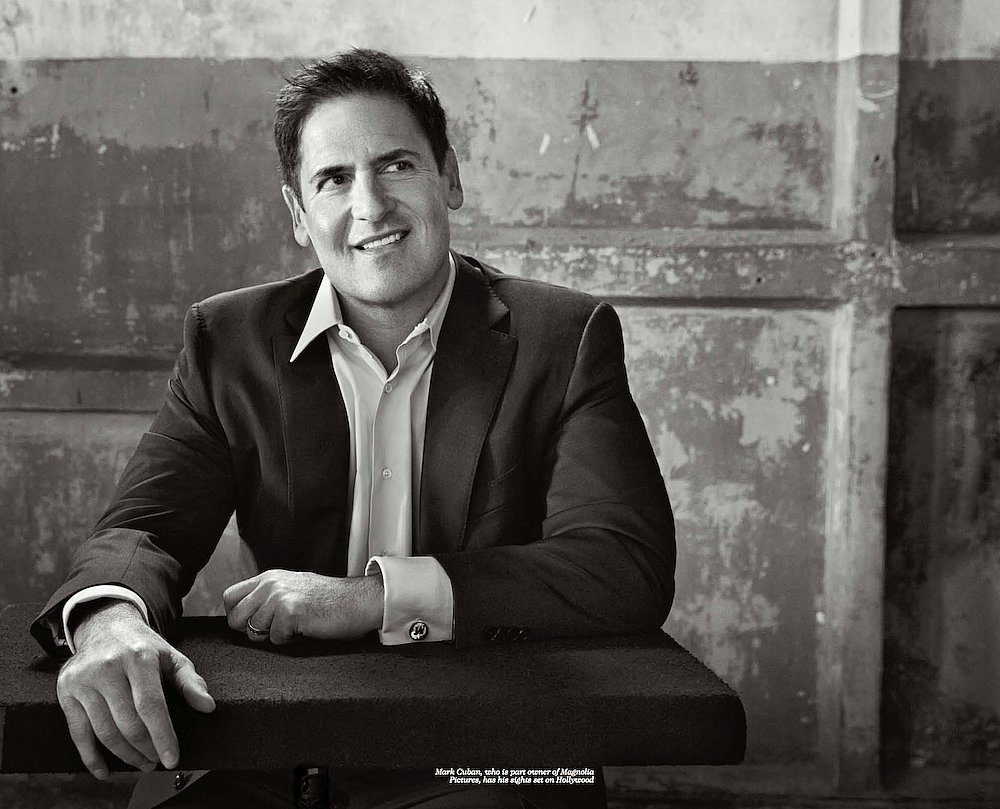
Mark Cuban echoes this. As a kid, he sold garbage bags door-to-door. In college, he ate ketchup sandwiches to save money while hustling side gigs. Post-grad, he built MicroSolutions through sheer persistence—learning tech late nights, outworking competitors, selling it for millions. Then repeated with Broadcast.com. Cuban credits hard work over innate smarts: “Talent is overrated. Work ethic wins.”
In my journey: I locked in a non-negotiable daily block for financial review and testing one new lever—even after 12-hour days at my old job. “Talented” friends chased quick wins and burned out. My boring consistency turned small experiments into scaled revenue streams.
2. They Fall in Love with the Process, Not the Outcome
Talent loves the highlight reel: big launches, viral moments, instant validation. Self-made people obsess over the unsexy machinery—daily reps, tiny optimizations, repeatable systems. They know wealth compounds in the shadows.
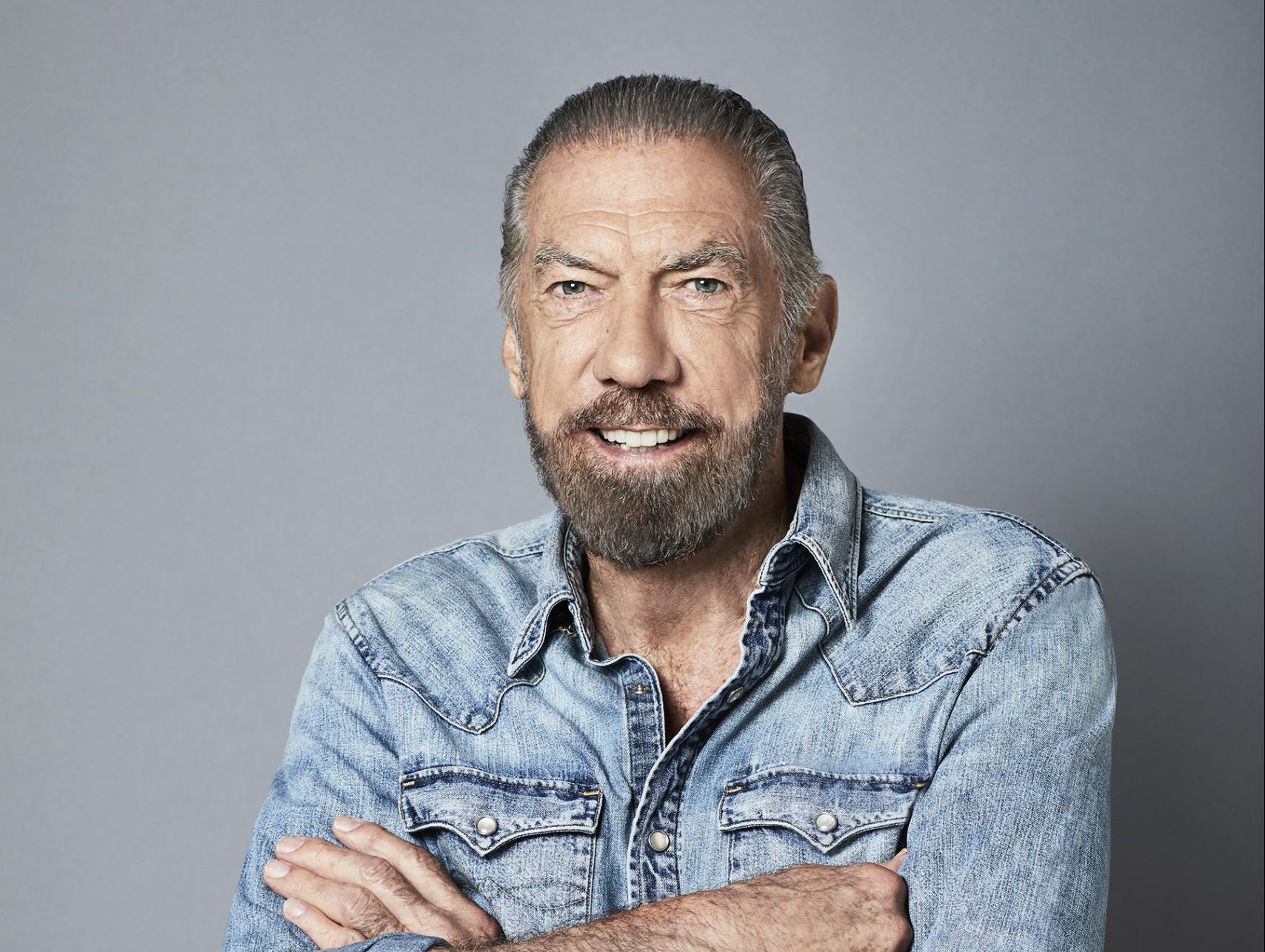
John Paul DeJoria (Paul Mitchell + Patrón, billionaire) was homeless twice, living in his car, selling shampoo and encyclopedias door-to-door. With $700 and partner Paul Mitchell, he built a hair-care empire through obsessive process: refining formulas trial-by-error, building distributor relationships one sale at a time, focusing on quality over hype. Later, he applied the same to Patrón—perfecting tequila production, rejecting shortcuts. No flashy talent; just loving the grind of consistent improvement. Result: two billion-dollar brands.
I ditched motivation-chasing years ago. Built systems instead: automated checklists, time-blocked deep work, weekly metric audits. Low-energy days? System still executes. That shift alone 10x’d my output and turned one skill into diversified streams.
3. They Redefine Failure as Data, Not Defeat
Talented egos shatter on setbacks—they tie worth to being “gifted,” so failure feels personal. Self-made minds treat it as expensive education: dissect, extract, iterate.
My $400k business wipeout (full story coming) was devastating—partnership betrayal, market shift, rapid burn. Crowd said quit. I autopsied it ruthlessly: vetting flaws, leverage mistakes, ignored signals. Built safeguards that prevented worse losses later.
Jamie Kern Lima (IT Cosmetics, sold for $1.2B to L’Oréal) pitched QVC for three years straight—rejected over and over, including a brutal call where the head buyer said unanimously, “You’re not the right fit for QVC or our customers.” Sephora said no for six years. Each rejection? Feedback. She refined pitch, product, persistence. Turned every “no” into data that eventually got yeses—and built the biggest beauty brand on QVC.

4. They Have Unshakable Standards and Say No Ruthlessly
Average dilutes: yes to every “opportunity,” favor, shiny distraction. Self-made protect time/energy like capital—ruthless no’s create space for high-compound bets.
I used to say yes to every project. Scattered, mediocre results. Raised standards: high-ticket only, aligned values, fire low-value clients fast. Income surged, hours dropped.
Warren Buffett (discipline king) reads 500 pages daily, avoids noise, says no to 99% of ideas. Focus compounds his bets into legendary wealth.

5. They Build Identity Around Being Unstoppable, Not Being Liked
Most need likes, applause, peer approval. Self-made tie identity to forward motion. Once validation becomes a trap, they go silent and execute.
I stopped posting wins publicly. Energy shifted from broadcasting to building. Acceleration followed.
Talent opens eyes. Discipline, systems, failure-as-data, ruthless standards, and progress-rooted identity build empires and freedom.
You’re not “born” with this. Every self-made person started average, then chose harder daily.
Attack one today: 30-day 4:30 AM streak, three strategic nos this week, autopsy one past failure, install one tiny system.
The real gap isn’t talent—it’s who pays the price when the crowd quits.
Which hits home hardest? What’s your first move? Drop it in the comments below.