Blog – The Forge Journal | Jaxon Forge
PROUD CAPITALIST FREE MARKETS • AMERICAN TARIFFS • FORGING WEALTH THAT LASTS JAXON FORGE

THE FORGE JOURNAL

Stories and advice from Jaxon Forge, Founder of MoneyForged.com

Raw, no-fluff truth on wealth psychology, iron discipline, free-market capitalism, tariffs, and the systems that separate the self-made from everyone else.

CAPITALISM IN ACTION
FREE MARKETS • TARIFFS FOR AMERICA
Jaxon Forge
Psychology of Money • 8 min read

Why Most People Stay Broke Even When They Make Good Money

High income doesn’t equal wealth. Here’s the brutal psychology hack that keeps even six-figure earners trapped in the paycheck-to-paycheck cage.

Discipline • 6 min read

The 3 AM Rule That Separated Me From 99% of Entrepreneurs

The quiet hours when excuses die. How waking at 3 AM three days a week gave me an unbreakable edge.

Psychology of Money • 9 min read

How I Rewired My Brain to Crave Hard Work Instead of Comfort

The exact system I used to make discipline addictive and comfort feel like punishment.

Wealth & Execution • 7 min read

The Silent Killer of Wealth: Comfort masquerading as “Balance”

Why “work-life balance” is the fastest way to stay mediocre forever.

Discipline • 5 min read

The Discipline Tax: Pay It Early or Pay It Forever

The hidden price every high performer must pay—early or late.

Business & Hustle • 8 min read

Why I Stopped Chasing Motivation and Started Chasing Systems

Motivation is weather. Systems are the engine that prints real money.

Wealth & Execution • 6 min read

Why Cash Flow Beats Net Worth Every Single Time

Net worth is a lie. Cash flow is freedom. Here’s the math I live by.

Business & Hustle • 10 min read

The $0 Startup Blueprint That Still Works in 2026

No money. No team. Just relentless execution. My exact playbook.

Free Markets & Tariffs • 7 min read

Why I Support Tariffs for America’s Survival

The capitalist case for protecting American wealth and strength.

Jaxon Forge

Money Forged

Forging Wealth That Lasts • Jaxon Forge

@MoneyForgedHQ

Stay in the Forge

Jaxon Forge’s weekly dispatch on discipline, systems, tariffs, and wealth that actually lasts.

JOIN THE FORGE

Category: 100 Forged Tools

  • Why Most Gen Z Stay Broke Even When They Make Good Money – The Brutal Psychology Hack That Beats America’s Insane Costs

    Why Most Gen Z Stay Broke Even When They Make Good Money – The Brutal Psychology Hack That Beats America’s Insane Costs

    Why Most Gen Z Stay Broke Even When They Make Good Money – The Brutal Psychology Hack That Beats America’s Insane Costs | MoneyForged.com

    Why Most Gen Z Stay Broke Even When They Make Good Money

    The Brutal Psychology Hack That Beats America’s Insane Costs

    Stories and advice from Jaxon Forge, Founder of MoneyForged.com

    Jaxon Forge – Founder of MoneyForged.com

    Listen up, Gen Z. I see you out there grinding through side hustles, staring at rent prices that make my first apartment look like a steal, and wondering if the American Dream packed up and left. Everything’s expensive as hell—$2,000+ rents in decent cities, student loans sucking $500 a month before you even start, groceries that feel like a luxury tax, and wages that haven’t kept pace. Median home prices north of $400k. Surveys show many of you carrying close to $94k in total debt before 30. The hill is huge. It’s unfair. It’s sad. And yeah, it’s real.

    Most people in your spot think the fix is simple: “Just make more money.” Land the good job, scale the side hustle, get the raise, and boom—problem solved. I bought that lie too. But here’s the raw truth I learned the hard way and have watched destroy high earners across industries: high income doesn’t mean wealth. It just means you’re good at earning—until lifestyle inflation and comfort steal every penny.

    The Silent Killer Isn’t Just Prices—It’s Comfort Masquerading as “Balance” or “Self-Care”

    I was pulling six figures running my own thing. Nice car, house that looked impressive from the street. But every month I’d stare at the accounts and feel that quiet panic: where did it all go? I wasn’t stupid with money. The truth? Lifestyle inflation. You upgrade the little things—DoorDash instead of cooking, more streaming subs, “deserved” experiences you post for the ‘gram, the latest phone because “I work hard.” For you guys, that creep hits even harder because your baseline costs are already sky-high. Income goes up. Spending goes up faster. The hedonic treadmill kicks in—you adapt to the nicer stuff so fast it stops feeling nice, and now you need even more just to feel normal.

    I remember the exact moment it clicked: sitting in a coffee shop, scrolling my bank app after a solid month. Numbers looked great on paper. But I felt broke. My money wasn’t building freedom—it was just maintaining a bigger cage. Comfort masquerading as balance. Everyone’s chasing “work-life balance” and “self-care.” Podcasts preach it. Influencers sell it. I bought it too. When the checks got bigger, I eased up. More downtime, nicer dinners, weekends away. I called it balance. It was a slow, comfortable slide into lower ambition and higher burn rate.

    The problem isn’t the nice things. It’s what they do to your psychology. Your nervous system gets addicted to ease. Risk starts feeling dangerous. Hard work feels optional. Saying no to distractions feels like punishment. In a world engineered for softness—endless apps, delivery in 30 minutes, TikTok dopamine—comfort is the silent killer of wealth. Especially for Gen Z. That “soft life” aesthetic everyone romanticizes? It’s poison if you let it win.

    How I Rewired My Brain to Crave Hard Work (You Can Too—Even at 22)

    Back when things were rough, hard work felt like punishment. I chased motivation like a junkie—YouTube reels, pump-up playlists, then crash. Useless. The turning point? I decided to rewire the system so effort felt rewarding and ease felt uncomfortable.

    First step: engineered discomfort on purpose. I started waking at 4:30 a.m. sharp—no snooze, no negotiation. Alarm off, feet on floor in three seconds. Cold water on face. At first pure misery. But the body adapted. The mind started associating early rising with power. I finished deep work blocks while the world slept and that quiet victory hit different—dopamine from accomplishment, not scrolling.

    I applied the same to everything: cold showers, heavy lifts, focus sessions with no distractions, saying no to easy money that didn’t align. I weaponized boredom. No podcasts on walks. No radio in the car. Just silence. Those empty moments used to make me twitchy. Now they became fuel—ideas, plans, breakthroughs. In your world of constant TikTok and Reels, this is your secret weapon.

    Ditch Motivation. Build Systems That Run Whether You “Feel Like It” or Not

    Motivation is the most overrated drug. Emotions are weather. You don’t build wealth on weather—you build it on systems. I threw out the motivational junk and created a stupidly simple daily framework:

    • Wake at 4:30. Lights on, feet on floor in three seconds.
    • First 90 minutes: deep work on the highest-leverage task (phone in another room).
    • Next block: revenue-generating activities only.
    • Midday: physical movement.
    • Evening: review tomorrow’s top three. No scrolling after 9 p.m.

    This wasn’t sexy. But it carried me on days motivation ghosted. Consistency compounds faster than any viral hustle video.

    The 3 AM Rule, Laziness as Fear, and Building an Iron Will in a Soft World

    On big weeks I test the 3 AM rule—three days at least. Alarm at 3:00, straight to the desk. By 6 a.m. most people are still hitting snooze and I’ve already logged hours of high-leverage output. The psychological edge is insane: you start the day having already won.

    “Laziness” is almost always unexamined fear—fear of failing in this tough economy, fear of success changing things, fear of judgment. Sit with it. Ask out loud: What’s the worst that could happen? Best case? Real long-term cost of not doing it? Then move anyway. Three-second rule: feel it, acknowledge it, act.

    Build the iron will with daily discomfort quotas, love saying no, delete the escape apps, track every slip, celebrate wins in silence. Grind in silence beats posting every hustle for likes—removes pressure, frees mental bandwidth, and lets results compound without the audience tax.

    The Self-Made Man’s Code: 12 Rules I Live By (Your Version Starts Here)

    1. Pay the discipline tax early or pay it forever.
    2. Systems eat motivation for breakfast.
    3. “No” is a complete sentence.
    4. Grind in silence until the results scream.
    5. Resistance is the compass—lean into it.
    6. Own the first hours or lose the day.
    7. Comfort is the enemy wearing a friend’s face.
    8. Boredom is the forge—sit in it.
    9. Cash flow trumps net worth every single time.
    10. Never invest in anything you don’t understand cold.
    11. Integrity compounds faster than interest.
    12. Stay hungry or the hunger finds someone else.

    These aren’t optional. They’re the operating system. Break one and the machine wobbles. Live them and compounding becomes automatic—even in expensive America.

    The hill is steep. Costs are brutal. But the ones who reach the top aren’t waiting for things to get cheaper.
    They treat comfort like poison, build unbreakable systems, and forge an iron will while everyone else chases balance and vibes.

    Start tonight. Pick one hard non-negotiable thing. Make it non-negotiable for 30 days. Watch ease start feeling wrong. The compound effect will outrun inflation and costs.

    Stay forged.

    — Jaxon Forge
    Founder, MoneyForged.com

    Read the full The Psychology of Making Money transcript or explore more raw stories on discipline, systems, and wealth.

    © 2026 MoneyForged.com • All rights reserved.

  • Why Cash Flow Beats Net Worth Every Single Time

    Why Cash Flow Beats Net Worth Every Single Time

    Why Cash Flow Beats Net Worth Every Single Time | MoneyForged.com

    Why Cash Flow Beats Net Worth Every Single Time

    I used to brag about net worth. Hit a milestone, screenshot the brokerage account, feel like a king for 5 minutes. Then reality hit: a market dip wiped 30% off on paper, my mortgage still needed paying, repairs piled up, and I was sweating bills like I was broke again.

    That was the day I stopped chasing net worth and started obsessing over cash flow. Because net worth is an illusion—volatile, ego-driven, illiquid. Cash flow is real money hitting your account every month. It pays the bills, funds the next deal, covers the emergencies, and lets you sleep without wondering if the market will tank tomorrow.

    Net Worth Is a Snapshot. Cash Flow Is Your Lifeline.

    Net worth = assets minus liabilities. Sounds solid until you realize:

    • It’s subjective: Appraisals, Zillow estimates, stock swings—none of it’s cash in hand.
    • It’s illiquid: A $2M rental portfolio looks great until you need $20k for a roof and can’t sell fast without losing equity.
    • It’s volatile: Markets crash, interest rates spike, values drop. Your “wealth” evaporates overnight.

    Cash flow? It’s predictable (if you buy right). It’s liquid. It’s what lets you quit the job, travel, reinvest, or tell bad clients to pound sand. Positive monthly cash flow from boring rentals turned my life from stress to optionality.

    “You can have a $10M net worth in undeveloped land and still be cash-poor. Or $1M in cash-flowing duplexes and live like a king. Which one buys freedom?”

    The Real Reasons Cash Flow Wins Every Time

    1. It Pays Today, Not “Someday”
      Rent checks cover mortgage, taxes, insurance, maintenance—and leave profit. Appreciation? Nice bonus, but I don’t eat equity. I eat cash flow.
    2. It Buffers Risk
      Vacancy? Repair? Tenant trashes place? Cash flow cushions it. Net worth doesn’t. I’ve seen “rich” investors go broke waiting for appreciation while bleeding monthly.
    3. It Compounds Faster
      Reinvest positive cash flow into the next property. Snowball effect. Net worth chasers wait for magic value jumps. I force growth monthly.
    4. It Buys Freedom
      Enough cash flow replaces your salary. You stop trading time for money. Net worth? You might have to sell assets or take loans to access it. That’s not freedom—that’s a trap.
    5. It’s Boring—and That’s Why It Works
      Exciting flips and hot markets promise big net worth spikes. They deliver stress and wipeouts. Boring multifamily in stable areas? Steady $800–$2k/month per door. That’s how empires build quietly.

    My Rule: If It Doesn’t Cash Flow, I Don’t Own It

    Early on, I bought “deals” for appreciation. Lost sleep, lost money. Now: If projected cash flow isn’t positive after conservative expenses (50% rule baseline + vacancy + capex reserve), I walk. No exceptions.

    Use the Rental Cash Flow Analyzer on this site. Plug in real numbers. If monthly cash flow is negative or razor-thin, next deal. The math doesn’t care about your dreams—it cares about survival.

    Bottom Line

    Net worth is for bragging at parties. Cash flow is for building a life you don’t need to escape from. Focus on assets that pay you monthly—rentals, boring businesses, whatever spits consistent money. The net worth will follow. But chase net worth first, and you’ll end up rich on paper and broke in reality.

    Grind the cash flow. The rest compounds on its own.

    — Jaxon Forge

    © 2026 MoneyForged.com | Stories & Systems from Jaxon Forge

  • What Separates Self-Made Men From Everyone Else (It’s Not Talent)

    What Separates Self-Made Men From Everyone Else (It’s Not Talent)

    What Separates Self-Made Men From Everyone Else (It’s Not Talent) | MoneyForged.com

    What Separates Self-Made Men From Everyone Else (It’s Not Talent)

    Stories and advice from Jaxon Forge, Founder of MoneyForged.com

    The title “What Separates Self-Made Men From Everyone Else (It’s Not Talent)” is raw truth I’ve lived and watched play out in real time.

    The world romanticizes the “genius” archetype: the prodigy who codes an empire overnight or charms investors with effortless charisma. But dig into the actual paths of self-made wealth—especially those who started with nothing—and talent is rarely the deciding factor. It’s a spark at best. What forges lasting fortunes is the quiet, relentless application of discipline, systems, and unbreakable standards. Talent without those crumbles under pressure. Discipline without talent compounds into dominance.

    I’ve built my own net worth from scratch through multiple ventures, seen “gifted” peers with natural advantages flame out spectacularly, and studied hundreds of real self-made stories. The pattern is undeniable: the separators are deliberate choices that compound over years, not genetic lottery wins.

    Here are the real differentiators, backed by gritty, unfiltered examples from people who actually did it.

    1. They Treat Discipline as a Non-Negotiable Tax, Not a Mood

    Most people treat discipline like an optional add-on—show up when inspired, bail when it’s hard. Self-made winners pay the discipline tax upfront, daily, rain or shine. They grind through boredom, fatigue, and zero visible progress because they know consistency is the only variable they fully control.

    Sara Blakely (Spanx founder, self-made billionaire) started with zero fashion or business background. She sold fax machines door-to-door for years—cold-calling, getting rejected constantly, surviving on commission while hating every minute. But she used that grind time to bootstrap Spanx: cut the feet off pantyhose for her own problem, researched patents herself, cold-called manufacturers who laughed her out, pitched retailers endlessly. No genius invention moment—just $5,000 savings, relentless daily execution, and refusing to quit after hundreds of nos. Oprah’s endorsement exploded it, but the foundation was years of unpaid discipline. Today? Spanx is a billion-dollar brand, and Blakely owns it outright.

    Sara Blakely, founder of Spanx
    Sara Blakely bootstrapped Spanx through years of relentless daily discipline

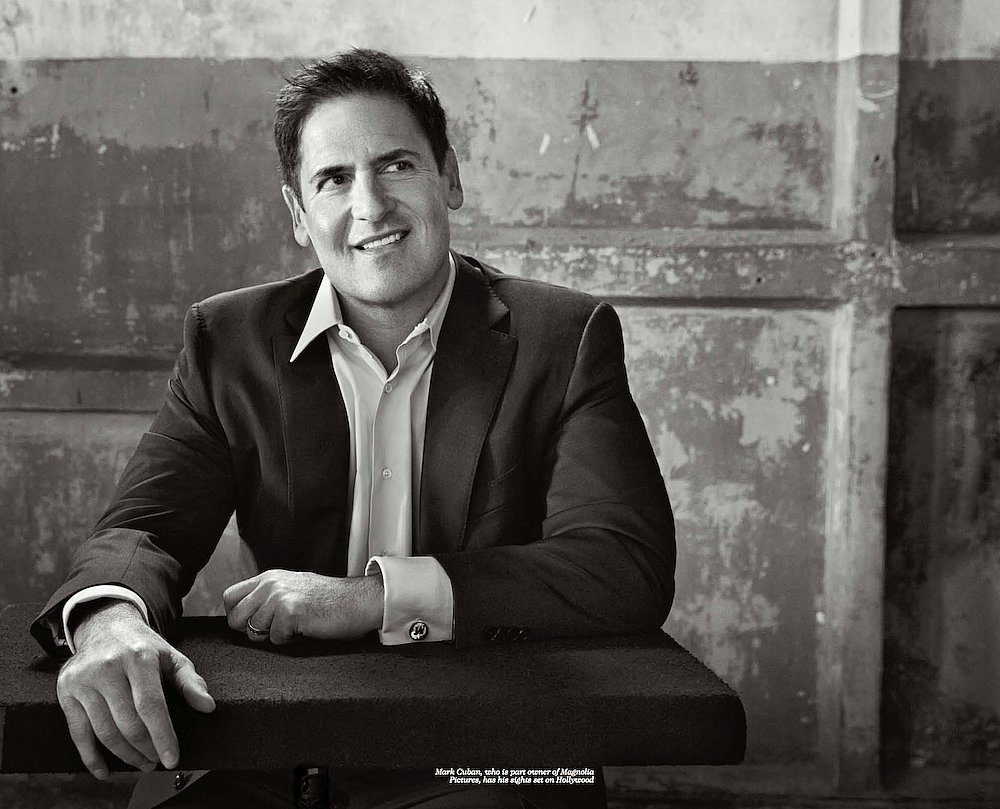
    Mark Cuban echoes this. As a kid, he sold garbage bags door-to-door. In college, he ate ketchup sandwiches to save money while hustling side gigs. Post-grad, he built MicroSolutions through sheer persistence—learning tech late nights, outworking competitors, selling it for millions. Then repeated with Broadcast.com. Cuban credits hard work over innate smarts: “Talent is overrated. Work ethic wins.”

    Mark Cuban in his early entrepreneurial days
    Mark Cuban: proof that work ethic compounds faster than talent

    In my journey: I locked in a non-negotiable daily block for financial review and testing one new lever—even after 12-hour days at my old job. “Talented” friends chased quick wins and burned out. My boring consistency turned small experiments into scaled revenue streams.

    2. They Fall in Love with the Process, Not the Outcome

    Talent loves the highlight reel: big launches, viral moments, instant validation. Self-made people obsess over the unsexy machinery—daily reps, tiny optimizations, repeatable systems. They know wealth compounds in the shadows.

    John Paul DeJoria (Paul Mitchell + Patrón, billionaire) was homeless twice, living in his car, selling shampoo and encyclopedias door-to-door. With $700 and partner Paul Mitchell, he built a hair-care empire through obsessive process: refining formulas trial-by-error, building distributor relationships one sale at a time, focusing on quality over hype. Later, he applied the same to Patrón—perfecting tequila production, rejecting shortcuts. No flashy talent; just loving the grind of consistent improvement. Result: two billion-dollar brands.

    John Paul DeJoria, founder of Paul Mitchell and Patrón
    John Paul DeJoria turned daily process obsession into multiple empires

    I ditched motivation-chasing years ago. Built systems instead: automated checklists, time-blocked deep work, weekly metric audits. Low-energy days? System still executes. That shift alone 10x’d my output and turned one skill into diversified streams.

    3. They Redefine Failure as Data, Not Defeat

    Talented egos shatter on setbacks—they tie worth to being “gifted,” so failure feels personal. Self-made minds treat it as expensive education: dissect, extract, iterate.

    My $400k business wipeout (full story coming) was devastating—partnership betrayal, market shift, rapid burn. Crowd said quit. I autopsied it ruthlessly: vetting flaws, leverage mistakes, ignored signals. Built safeguards that prevented worse losses later.

    Jamie Kern Lima (IT Cosmetics, sold for $1.2B to L’Oréal) pitched QVC for three years straight—rejected over and over, including a brutal call where the head buyer said unanimously, “You’re not the right fit for QVC or our customers.” Sephora said no for six years. Each rejection? Feedback. She refined pitch, product, persistence. Turned every “no” into data that eventually got yeses—and built the biggest beauty brand on QVC.

    Jamie Kern Lima, founder of IT Cosmetics
    Jamie Kern Lima turned 100+ rejections into $1.2 billion

    4. They Have Unshakable Standards and Say No Ruthlessly

    Average dilutes: yes to every “opportunity,” favor, shiny distraction. Self-made protect time/energy like capital—ruthless no’s create space for high-compound bets.

    I used to say yes to every project. Scattered, mediocre results. Raised standards: high-ticket only, aligned values, fire low-value clients fast. Income surged, hours dropped.

    Warren Buffett (discipline king) reads 500 pages daily, avoids noise, says no to 99% of ideas. Focus compounds his bets into legendary wealth.

    Warren Buffett reading newspapers, emphasizing focus and discipline
    Warren Buffett: saying no is the ultimate compounding lever

    5. They Build Identity Around Being Unstoppable, Not Being Liked

    Most need likes, applause, peer approval. Self-made tie identity to forward motion. Once validation becomes a trap, they go silent and execute.

    I stopped posting wins publicly. Energy shifted from broadcasting to building. Acceleration followed.

    Talent opens eyes. Discipline, systems, failure-as-data, ruthless standards, and progress-rooted identity build empires and freedom.

    You’re not “born” with this. Every self-made person started average, then chose harder daily.

    Attack one today: 30-day 4:30 AM streak, three strategic nos this week, autopsy one past failure, install one tiny system.

    The real gap isn’t talent—it’s who pays the price when the crowd quits.

    Which hits home hardest? What’s your first move? Drop it in the comments below.

    — Jaxon Forge

    Founder, MoneyForged.com

    © 2026 MoneyForged.com. All rights reserved.

  • 7 Lies High Performers Tell Themselves Before They Break Through

    7 Lies High Performers Tell Themselves Before They Break Through

    7 Lies High Performers Tell Themselves Before They Break Through

    7 Lies High Performers Tell Themselves Before They Break Through

    By Jaxon Forge, Founder of MoneyForged.com

    Hey brother, it’s Jaxon here. Before the real momentum hits, most high performers get stuck spinning wheels because of these mental traps. I’ve lived every single one in my 20s and early 30s. They feel like ambition… until they become anchors. Here’s the raw truth on the 7 lies I had to burn out of my head to finally break through.

    1
    “I’m just one big win away from everything changing.”

    This is the lottery mindset wearing entrepreneur clothes. I chased the next “home run” deal, skipping steady pipelines for unicorn opportunities. Months of stress, zero progress.

    The trap: Keeps you reactive, always hunting the jackpot instead of building daily.
    Flip it: Stack micro-wins. Track inputs. Focus on boring consistency. The big win is the result of the process, not the starting line.
    2
    “I can outwork the system.”

    I bragged about 80-hour weeks like it was a medal. Built a side hustle on pure grind… until burnout made me lose a $50k client because I was too fried to see red flags.

    The trap: Effort over efficiency. You dig deeper holes working harder on broken processes.
    Flip it: Build systems first. Audit your day, automate, delegate. Then pour effort into the machine. I cut hours and tripled revenue.
    3
    “Rest is for people who aren’t serious.”

    Five hours sleep, no weekends, mocked anyone who clocked out early. Then a health scare hit—nothing dramatic, but enough to realize I was eroding my own edge.

    The trap: Treats recovery as weakness. Fumes produce blurry decisions and stalled momentum.
    Flip it: Schedule rest like revenue meetings. Seven hours sleep minimum, weekly unplug. Output explodes when you’re recharged.
    4
    “If I’m not busy, I’m failing.”

    Packed calendar = success badge. Filled every gap with filler to avoid the scary deep work. Motion felt like progress… it wasn’t.

    The trap: Busyness hides avoidance of high-leverage tasks.
    Flip it: Protect white space. Use Eisenhower Matrix. Block thinking time. Breakthroughs happen in focus, not frenzy.
    5
    “I don’t need help—I’m self-made.”

    Bootstrapped everything solo. Turned down mentors because ego said “I got this.” Cost me years of shortcuts.

    The trap: Isolation reinvents wheels. No one’s truly self-made.
    Flip it: Build your council. Get a coach, join a mastermind. Borrow proven maps. Highest ROI move I ever made.
    6
    “Once I hit [X number], I’ll finally feel secure.”

    $100k, nothing. $500k, same void. Goalpost kept moving. Security was never in the balance.

    The trap: Ties peace to externals. You chase forever without arriving.
    Flip it: Build systems and ownership. Passive streams, emergency funds, mindset work. Real security is control, not cash.
    7
    “This discomfort means I’m on the wrong path.”

    Every big launch got ugly—doubt, losses, silence. Thought “maybe this isn’t it.” Pushed through anyway… then traction hit hard.

    The trap: Misreads growth pain as failure signals.
    Flip it: Lean in. Journal fears, double down. Discomfort is the tollbooth to the next level. Every breakthrough has this chapter.

    Burn these lies. Replace with systems, consistency, and ruthless truth. Your breakthrough is waiting on the other side.

    Stay forged.
    Jaxon Forge | MoneyForged.com

  • Test Your Knowledge on Personal Finance

    Test Your Knowledge on Personal Finance

    Test Your Knowledge | Money Forged

    Question 1 of 10

    Loading question…

    Your Financial Forging Score

    0%

    Loading feedback…

    Ready to level up your portfolio?

    Join Jaxon Forge’s private newsletter for accredited-level strategies sent straight to your inbox.

    Return to Homepage
  • The Silent Killer of Wealth: Comfort masquerading as “Balance”

    The Silent Killer of Wealth: Comfort masquerading as “Balance”

    The Silent Killer of Wealth: Comfort Masquerading as “Balance” • MoneyForged Guide

    The Silent Killer of Wealth
    Comfort Masquerading as “Balance”

    A No-BS Guide from Jaxon Forge • MoneyForged.com

    The Core Truth

    “Balance, as society sells it, is often code for mediocrity: clock out at 5 PM, hit the gym sporadically, scroll social media ‘to unwind.’ It’s a trap that keeps you in the 99%, trading potential for predictability.”

    Wealth isn’t built through perfect equilibrium. It’s built through strategic imbalance — heavy early inputs into high-ROI activities that most people avoid because they feel uncomfortable.

    How the Killer Operates (Warning Signs)

    • You say “I need balance” right when momentum starts building
    • You protect evenings/weekends like sacred rituals… even when they’re low-value
    • You feel guilty for working 10+ focused hours while others “have a life”
    • Your side hustle / skill-building / investing gets “balanced” into 5–10 hours/week forever
    • You use phrases like “I don’t want to burn out” as permission to coast
    • Comfort feels noble instead of dangerous

    Real Examples From My Own Scars

    • 2008: Dialed back hustle for “balance” → side business stalled at ~$50k/year instead of scaling
    • Early 30s: Said yes to too many “balanced” social invites → delayed first $100k net worth by ~3 years
    • Post-million: “Balanced” recovery time became lazy mornings → productivity dropped until I reset

    Antidotes — What Actually Works

    1. Redefine Balance as Dynamic Tension

    80% high-impact work / skill / asset-building + 20% intentional recovery (not indulgent downtime).

    2. Pay the Discipline Tax Early

    Front-load discomfort (4:30 AM starts, silent grinding, saying no to easy fun) so compounding does the heavy lifting later.

    3. Audit Ruthlessly Every Quarter

    Ask: “Is this ‘balance’ habit advancing my wealth or just making today feel easier?”

    4. Build Systems, Not Motivation

    Automate investing, delegate low-value tasks, ritualize deep work blocks — remove decision fatigue.

    5. Grind in Silence

    Stop posting progress for validation. Let results compound without the comfort of likes.

    Your 60-Second Personal Audit

    Answer honestly — no one sees this but you.

    • I regularly use “I need balance” as a reason to reduce effort on wealth-building activities
    • My evenings/weekends are mostly low-leverage recreation instead of strategic recovery or upside creation
    • I feel more proud of “having a life” than of disproportionate progress toward financial freedom
    • My net worth / business revenue has been roughly flat for 12+ months despite decent income
    • I protect comfort more aggressively than I protect momentum
    • I tell myself “I’ll go harder later” while choosing ease right now

    3+ checks? The killer is already in your house. Time to evict it.

    © MoneyForged.com | Forge Wealth or Stay Comfortable — You Can’t Have Both.
    Bookmark this. Re-read it when comfort starts whispering.

  • Real ROI Road Map: Trade, College, or Hustle

    Real ROI Road Map: Trade, College, or Hustle

    Education Path Simulator – MoneyForged.com

    Education Path Payoff Simulator

    Compare net worth growth for High School, Trade School, and College paths. Defaults based on 2026 US averages.

    High School Path

    Trade School Path

    College Path

    Results

    AgeHS Net WorthTrade Net WorthCollege Net Worth
  • How I Rewired My Brain to Crave Hard Work Instead of Comfort

    How I Rewired My Brain to Crave Hard Work Instead of Comfort

    Flock: 1

    Compound Runner

    Tap, Click, or press Spacebar to jump.
    Double-tap in mid-air to double jump!
    Dodge fences, foxes, wolves, and Bear Markets.

    1
    🐑

    The Sheep That Won’t Let You Scroll Past Your Potential

    I built Sheep Grinder not because I love games, but because I hate excuses.

    Most nights when I was still climbing out of the debt-and-comfort trap, I’d lie in bed replaying tomorrow’s to-do list like a broken record. The mind wouldn’t shut off. Anxiety about money, clients, the next move—it all kept sleep at arm’s length. Then I’d wake up groggy, hit snooze, lose the first golden hour, and wonder why my discipline felt like quicksand.

    That cycle ends when focus becomes a muscle you train before your eyes even close.

    Sheep Grinder is brutal in its simplicity: one sheep charges the fence. You have a tiny window—SPACEBAR or tap—to count it precisely as it jumps. Nail it, the speed ramps. Miss, game over. No second chances, no “almost,” no “I’ll get it next time.” Just reset and pay the discipline tax again.

    I run it every night for 10–15 minutes. Not to win high scores (though 478 is my current mark). I run it to practice ruthless timing under pressure. Every perfect count is a micro-rep for staying locked in when the real-world deal is closing, the market is moving, or the 4:30 a.m. alarm hits and every cell screams “five more minutes.”

    The scrolling sheep above this post? That’s your reminder.

    Every time you catch yourself mindlessly scrolling feeds, refreshing notifications, or doom-looping comments—picture that sheep. It’s charging straight at the fence of your attention span. You either count it (focus, act, decide) or you miss it (scroll past, delay, stay comfortable). The longer you let it scroll by without engaging, the faster the next one comes, until the whole night is gone and you’re still exactly where you were yesterday.

    Wealth isn’t built in the moments you feel motivated. It’s built in the moments you refuse to let the sheep scroll past unchecked.

    So tonight, when the screen glows and your thumb hovers, remember:

    • One precise tap = one disciplined choice
    • One missed jump = another night paid to comfort
    • Rack enough perfect counts = wake up tomorrow with a mind that doesn’t negotiate with weakness

    Forge that habit before bed. Let the sheep teach you what no guru video ever could: precision under escalating pressure is the real compound interest of the mind.

    Grind the game. Grind the routine. Grind the life.

    The fence is coming. Count it.

    Jaxon Forge Founder, MoneyForged.com

  • How to Pay Down Debt Faster / Debt Payoff Strategies with Snowballs

    How to Pay Down Debt Faster / Debt Payoff Strategies with Snowballs

    Debt Snowball Forge – MoneyForged.com

    Debt Snowball Forge

    Smash debt like it’s 3 AM and you’re the only one awake. Snowball vs Avalanche—see the numbers glow when you win.

    Hey forge crew, what’s good? It’s Jaxon Forge here, founder of MoneyForged.com, and welcome back to the channel. If you’re one of the 292,000 of you grinding alongside me—and that number keeps climbing every single day—thank you for showing up. That means you’re not just consuming content. You’re hunting for the real playbook, the stuff that actually moves money in your direction instead of bleeding it out the back door.

    Today we’re going deep on one of the topics I get asked about most in the comments and DMs: how to pay down debt faster in 2026. Not the fluffy Dave Ramsey memes or the TikTok hacks that fall apart in month two. Real, battle-tested strategies I used to dig myself out of a $45,000 hole in my early 20s—credit cards, student loans, a car note that felt like a noose. I was making decent money even back then, but every dollar was disappearing faster than it arrived. Comfort masquerading as “balance” had me convinced minimum payments were fine. They weren’t. Interest was compounding against me like a silent killer, turning what should have been temporary debt into a permanent tax on my freedom.

    I clawed my way out in under three years and turned that pain into my first $100k net worth without a fancy degree or rich parents. If you’re sitting there right now with balances staring you in the face, heart rate spiking every time the mail comes, this episode is for you. We’re covering what actually works, the math behind it, and—more importantly—the stuff that sounds good but keeps most people broke forever.

    Let’s start with the foundation most skip: face the battlefield.

    Open every statement. Every single one. Write it down or plug it into a spreadsheet or Undebt.it—whatever tool you like. Debt name, current balance, interest rate, minimum payment. No sugarcoating. When I did this for the first time, the total number hit like a punch. But hiding from it only lets interest keep winning. You can’t kill what you won’t look at.

    Now the strategies that actually accelerate payoff.

    First and non-negotiable: pay more than the minimum. Every time. Minimum payments are designed by banks to keep you in debt for decades. On a typical credit card, the minimum might cover mostly interest with pennies toward principal. Even an extra fifty bucks a month changes the trajectory dramatically.

    Quick example I still use when people DM me their numbers: five grand on a credit card at twenty percent APR, minimum payment around a hundred bucks. Pay only minimum? You’re looking at nine years and change, plus almost six grand in interest alone. Add just fifty extra per month? You cut the timeline in half and save thousands in interest. In 2026, with average credit card rates still sitting between nineteen and twenty-five percent, every extra dollar you throw at principal is buying you freedom faster.

    Automate it. Set it and forget it. The day after payday, make the extra payment hit automatically. I treated mine like rent—non-negotiable. Remove the decision fatigue.

    Next level: choose your attack method. There are two main roads here, and both work depending on your wiring.

    Option one: debt avalanche. This is the math purist’s favorite. Rank your debts from highest interest rate to lowest. Pay minimums on everything else, then dump every extra dollar into the highest-rate debt until it’s dead. Then roll that full payment to the next highest.

    Why it crushes: high-interest debt grows fastest. Killing the twenty-two percent card first stops the bleeding quicker than anything else. Over the long run, you pay the least total interest. When I ran my numbers back in the day, avalanche saved me several thousand compared to just winging it.

    Option two: debt snowball. This is Dave Ramsey’s signature move, and it saved my motivation when I was burned out. Rank debts from smallest balance to largest, ignore the rates. Minimums on everything, extra cash goes to the smallest balance. Pay it off fast, get the quick win, roll that payment forward like a snowball picking up speed.

    The power here isn’t the math—it’s the psychology. When you’re buried, seeing an entire debt disappear in a couple months gives you proof you can win. I knocked out a fifteen-hundred-dollar store card first. That victory lit a fire I hadn’t felt in years. If motivation is your weak link, start here. You might pay a little more interest overall, but you’ll actually finish.

    I blended both. Started with snowball to build momentum, then switched to avalanche once the small ones were gone. Pick what keeps you in the fight longest.

    Third accelerator: consolidation or balance transfers—if done right.

    Move high-rate debt to a lower-rate spot. Zero-percent intro APR balance transfer cards (usually twelve to twenty-one months, three to five percent fee) or a personal consolidation loan at single-digit rates. I transferred a chunk of my nineteen-percent cards to a zero-percent promo once. Freed up cash flow immediately.

    Critical rules though: only do this if the new effective rate is meaningfully lower. Shop aggressively—use sites like LendingTree or Credible. And freeze the old cards. Cut them up if you have to. I learned that the hard way—transferred once, then mindlessly charged the old card again. Dug the hole deeper. Don’t repeat my mistake.

    Fourth: attack from both sides—income up, expenses down.

    Debt payoff isn’t just defense; it’s offense. I rewired my brain to crave hard work instead of comfort. Trained myself to wake at four-thirty without an alarm. Side hustles became non-negotiable. Freelancing, consulting, turning one boring skill into multiple income streams. Even five hundred to a thousand extra a month changes everything.

    On the cut side: track every dollar. I used to think I was “frugal” until I actually tracked. Subscriptions, eating out, impulse buys—found three hundred a month easy to reclaim. Call creditors and negotiate rates. “I’ve been a good customer for years—can you drop my APR?” I got one card from eighteen to twelve percent just by asking.

    Last resort only: debt management plans or settlement through a nonprofit like NFCC. They can negotiate lower rates or lump-sum payoffs at thirty to fifty cents on the dollar. Hurts credit short-term, but can be a lifeline if debt is over fifty percent of your income. I never went there, but I know guys who did and came out the other side.

    Now the brutal truth—what doesn’t work and why most people stay stuck.

    Paying only minimums. Slow financial suicide.

    Using new debt to pay old debt without a freeze on spending. Classic trap.

    Chasing motivation instead of building systems. Motivation is a visitor; discipline is a resident.

    Ignoring the root: debt is often unexamined fear dressed up as laziness. Until you face why you’re spending to feel better, you’ll keep rebounding.

    No lifestyle change. You can’t out-earn reckless habits forever.

    My simple framework that got me free and keeps me free:

    One: full inventory—no hiding.
    Two: pick avalanche or snowball based on your psychology.
    Three: automate extra payments and treat them like oxygen.
    Four: boost income and cut ruthlessly—aim for at least twenty percent of take-home going to debt.
    Five: track weekly. Small progress compounds.
    Six: celebrate privately. Grind in silence. Posting wins early invites distraction.

    When the last payment clears? Do the private scream. I did. Felt like chains falling off.

    Forge crew, 2026 is still early. Rates are high, but so is opportunity if you move now. Pay the discipline tax early or pay interest forever. The choice is yours every single day.

    If this episode hit you square in the chest, drop your current total debt number in the comments below—one number, no story needed. Just the truth. Seeing thousands of you own it publicly creates accountability like nothing else.

    Smash that like button if you’re committing to extra payments this week. Subscribe and turn on notifications so you never miss the next no-BS drop.

    You’ve got the playbook now. No more excuses.

    Until next time—grind harder than yesterday. Forge your wealth. I’ll see you in the comments.

  • Live Mortgage Rates Tracker: Why Waiting Costs You Six Figures in Silent Wealth Erosion

    Live Mortgage Rates Tracker: Why Waiting Costs You Six Figures in Silent Wealth Erosion

    Current US Mortgage Rates – Updated Daily

    Current US Mortgage Rates

    Last Updated: March 2, 2026 (Rates as of latest surveys; check sources for real-time changes)

    30-Year Fixed

    5.98% – 6.04%
    Average from Freddie Mac (weekly) ~5.98% | Bankrate national ~6.04%
    Sources: Freddie Mac PMMS (Feb 26, 2026), Bankrate, Mortgage News Daily

    15-Year Fixed

    5.44% – 5.60%
    Freddie Mac ~5.44% | Recent daily averages ~5.45–5.60%
    Sources: Freddie Mac, Mortgage News Daily

    Notes on Rates

    Rates vary by credit, location, down payment, and lender. These are national averages for top-tier borrowers. Always get personalized quotes.

    30yr fixed dipped below 6% recently for the first time in years—strong signal for buyers.

    Historical Mortgage Rates Charts

    30-Year Fixed Mortgage Rate (1971–Present)

    Data aggregated from Freddie Mac, Bankrate, Mortgage News Daily, FRED St. Louis Fed. Not financial advice—rates change frequently. For the latest, visit official sources.